




Pantheon
More Tickets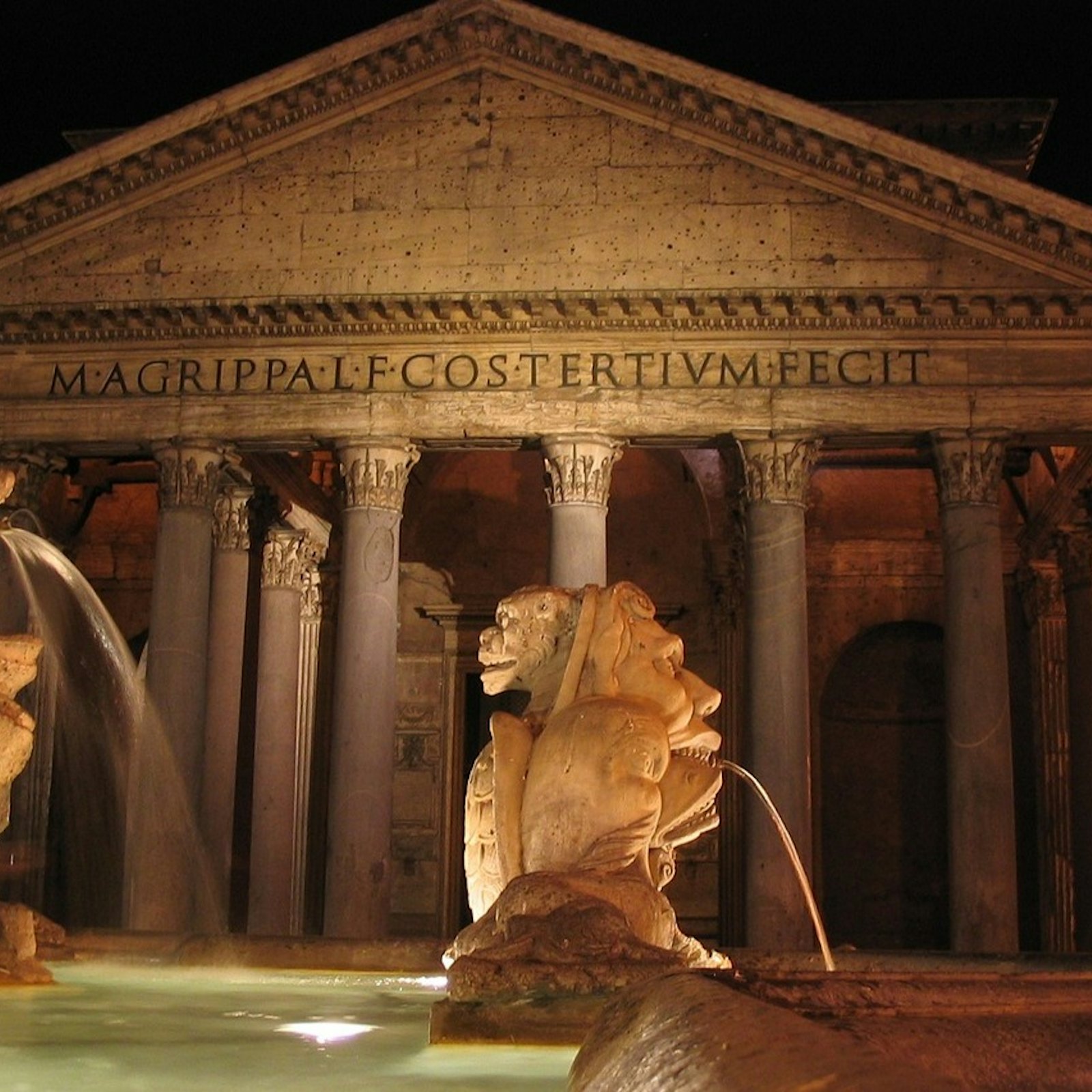
Heading
More TicketsHeading
More TicketsRome Pantheon Tickets - Prices, Skip-the-Line Entry & Visitor Guide
What is the Rome Pantheon?
- Visit one of the best-preserved monuments of Ancient Rome.
- The Rome Pantheon is famous for its enormous dome, open-air oculus and incredible Roman engineering.
- The building is one of the city’s most visited historic landmarks. Explore the tomb of Raphael, admire the vast marble interior and discover why the Pantheon has inspired architects for nearly 2,000 years.
Quick Information
- Pantheon Address: Piazza della Rotonda, 00186, Rome
- Opening Hours: Daily from 09:00 - 19:00
- Recommended Visit Time: 45-60 minutes
- Best For: Ancient Roman architecture and history
Is The Rome Pantheon Worth Visiting?
The Rome Pantheon is worth visiting for:
- Visitors interested in Ancient Roman history
- Architecture lovers wanting to see one of the greatest engineering achievements of the ancient world
- Travellers looking to explore one of Rome’s most iconic landmarks
- Visitors wanting to experience the famous dome and oculus in person
What Visitors Can See At The Rome Pantheon
- The world’s largest unreinforced concrete dome
- The enormous portico and grand marble interior
- The famous oculus at the centre of the dome
- Tombs including the resting place of Raphael
- Historic chapels and religious artwork
- Ancient Roman architecture in remarkable condition
Best Time To Visit
- Early morning is usually the quietest time to visit
- Midday offers the strongest sunlight through the oculus
- Weekdays are generally less crowded than weekends
About The Rome Pantheon
The Pantheon is not only an architectural masterpiece, but is also in the best condition of all the remaining ancient Roman buildings.
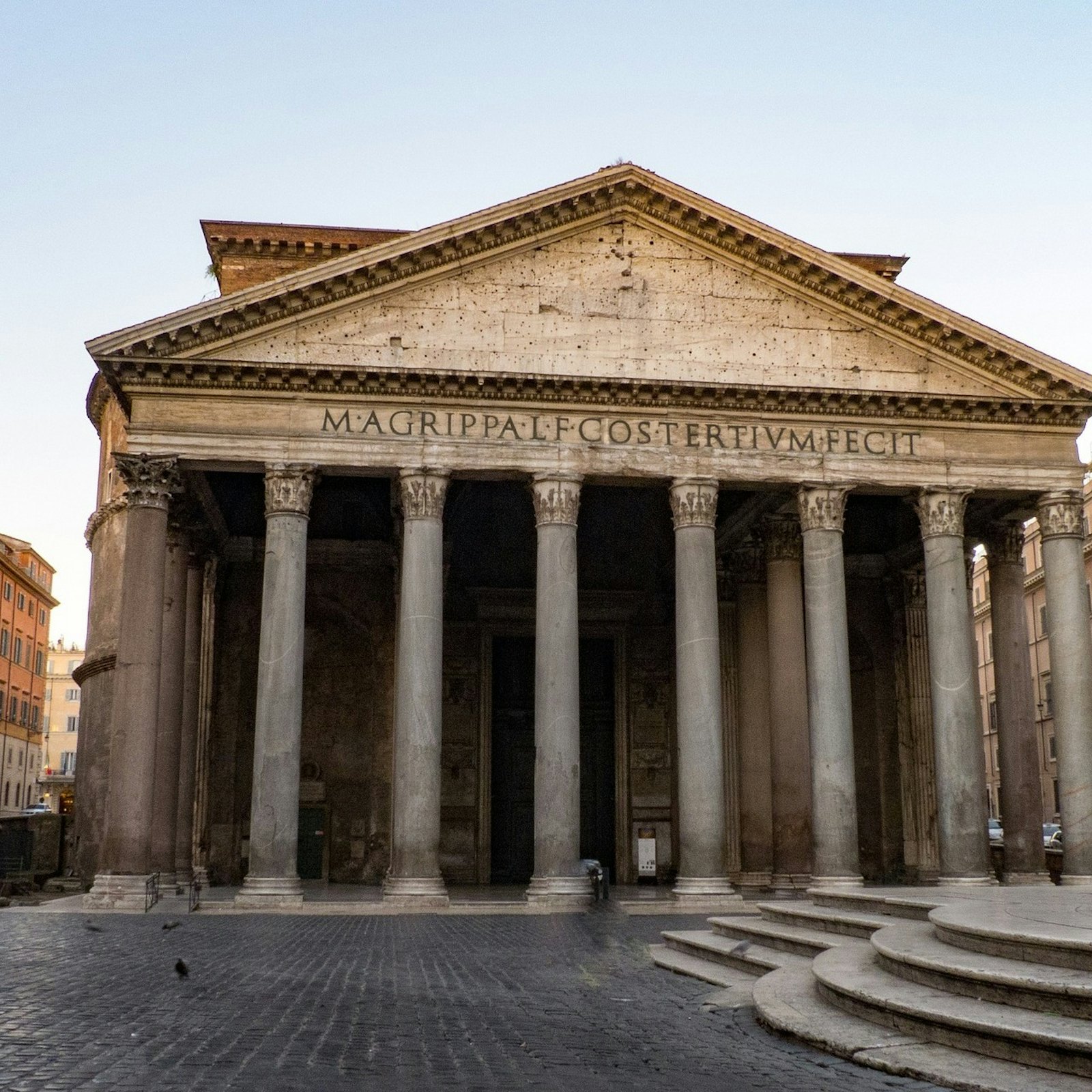
Its famous façade with its grand columns and the roof dome are internationally recognised.
The building is used as both a place of worship and a symbol of Roman architectural innovation.
The name "Pantheon" comes from the Greek words "pan," meaning 'all', and "theos," meaning 'god', which reflects its original purpose as a temple dedicated to all Roman gods.
Historical records suggest the original Pantheon was constructed between 27 BCE and 14 CE under Marcus Agrippa, the son-in-law of Emperor Augustus. After being damaged by fire in 80 CE, the building was later reconstructed during the reign of Emperor Hadrian around 118–125 CE.
It managed to survive the advent of Christianity as it was given to Pope Boniface IV in 608 AD by Emperor Phocas and Pope Boniface IV transformed into a church and dedicated to St. Mary and the Martyrs in the 7th century.
The Pantheon features 16 enormous granite Corinthian columns at the entrance of the portico, creating one of the most recognisable façades in Rome. Above the structure rises the famous dome, which measures 43.3 metres in diameter and remains the largest unreinforced concrete dome in the world.
The Oculus
- The oculus is the circular opening at the top of the Pantheon’s dome and measures 8.8 metres in diameter. It allows natural light to enter the building and creates dramatic patterns of light and shadow throughout the day.
- Because the oculus remains open to the sky, rain can enter the Pantheon. The marble floor was designed with a subtle drainage system to channel water away efficiently.
- The oculus also reflects the advanced astronomical understanding of the ancient Romans, with sunlight moving across the interior in alignment with the sun’s position throughout the day.
As visitors enter the Pantheon they are greeted by a vast cylindrical space which is filled with Corinthian columns and niches as well as some of the impressive collection of art that it has amassed over time.
The Pantheon is home to the tombs of notable figures including the world-famous Renaissance artist Raphael, as well as several Italian kings which adds further historical importance to the building.
There are multiple chapels dedicated to various historical figures including:
- The Chapel of St. Joseph
- The Chapel of the Madonna of the Sacred Heart
- The Chapel of St. Rocco
- The Chapel of St. Barbara
- The Chapel of St. Anne
- The Chapel of the Martyrs
The Pantheon has influenced countless architects throughout history with its dome serving as a source of inspiration for other structures such as the Florence Cathedral and St. Peter's Basilica.
The ancient structure is in one of the most famous and photographed squares in Rome, the 'Piazza della Rotonda', so visitors can sit outside on the stairs and watch the world go by and listen to the street performers.
Pantheon
More Tickets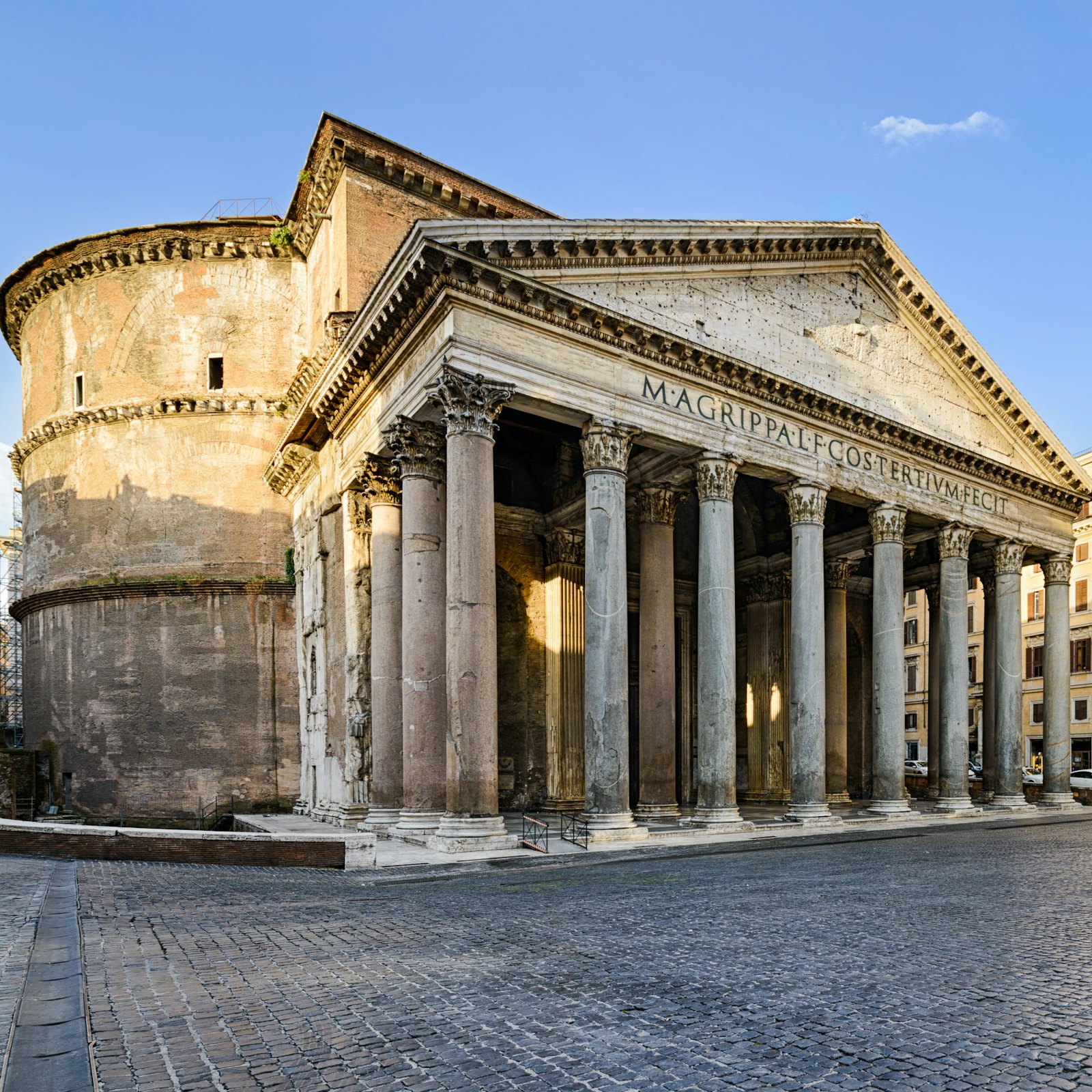
Useful Information About Pantheon
Rome Pantheon Address
- Piazza della Rotonda, 00186, Roma, RM, Italy.
Rome Pantheon Opening Hours
- Monday: 10:00 - 17:00
- Tuesday: 10:00 - 17:00
- Wednesday: 10:00 - 17:00
- Thursday: 10:00 - 17:00
- Friday: 10:00 - 17:00
- Saturday: 10:00 - 15:00
- Sunday: 12:00 - 17:00
How to get to Pantheon Rome
- By Hop-on Hop-off Bus: Trevi Fountain Stop and a 5-minute walk (follow signs)
- By Train: Line A to Barberini Station followed by an 8-minute walk (follow signs)
- By Bus: 30; 40, 62, 64, 81, 87, 492
Pantheon
More TicketsRome Pantheon Tickets
FAQ

Visitors usually spend around 45-60 minutes exploring the Rome Pantheon.
No. Visitors do need to purchase tickets. It did used to be free, but they have now changed it to tickets required.
Yes, visitors need to buy tickets to enter the Pantheon in Rome. It used to be free but that has now changed and tickets are now required.
Yes, the services are open to the public, but seating is limited and can get very busy as you can apprecaite.
The dome on the Pantheon holds world record for being the largest concrete dome in the world that is unreinforced.
The Oculus is the hole in the dome that allows natural light to enter the Pantheon.
Originally a pagan temple but consecrated as a church in 608 AD


